

Gravel Distribution
A team of experts at your service for over 55 years!
-
High‑end, robust and reliable equipment.
-
Manufactured by world‑renowned partners.
-
Built to get the job done without fail.
-
Engineered to last for many years.

Essential Qualities
Robustness and durability
Reinforced structure
Long service life
High‑performance rotors and hammers
Fine and uniform shredding
Versatile use across different environments
Adaptability to various types of work
Different power options for different tractors
Forged and hardened hammers
Gearboxes designed to withstand heavy loads
FAQ – Frequently Asked Questions
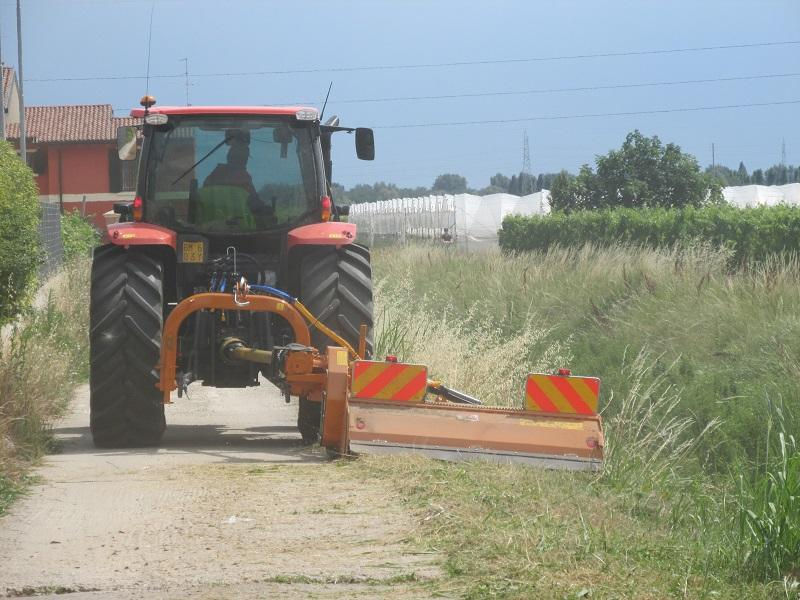
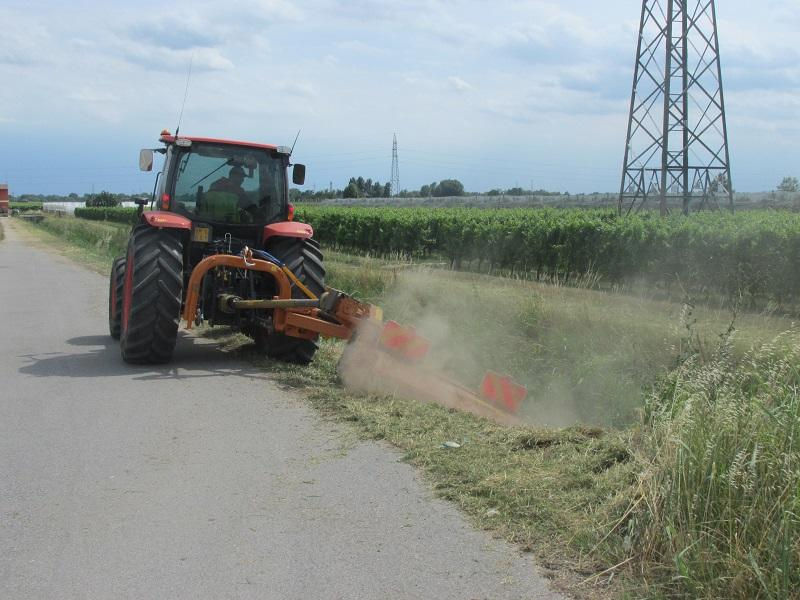
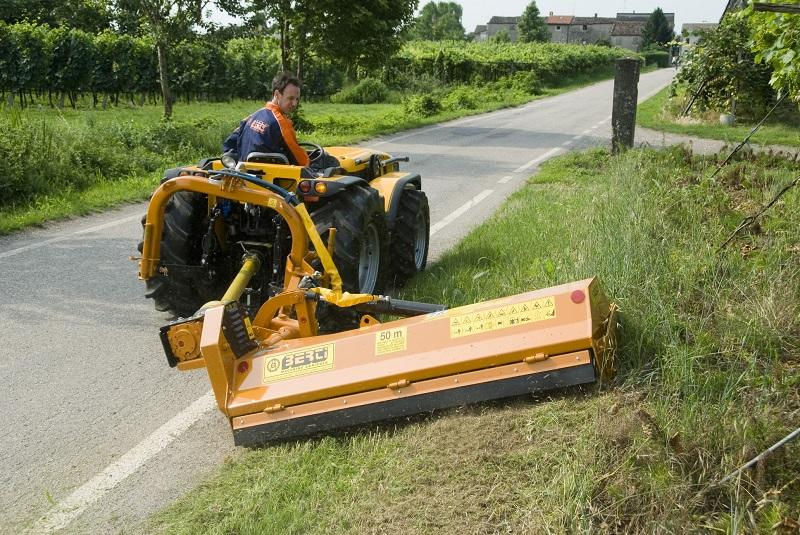
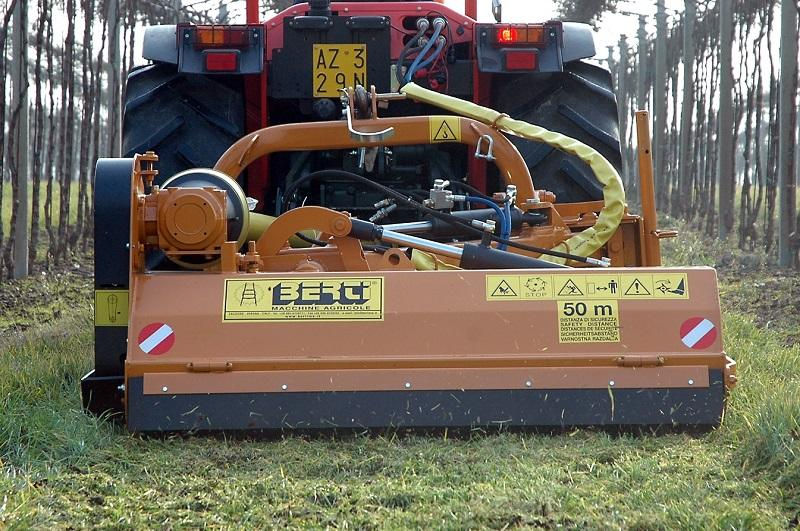
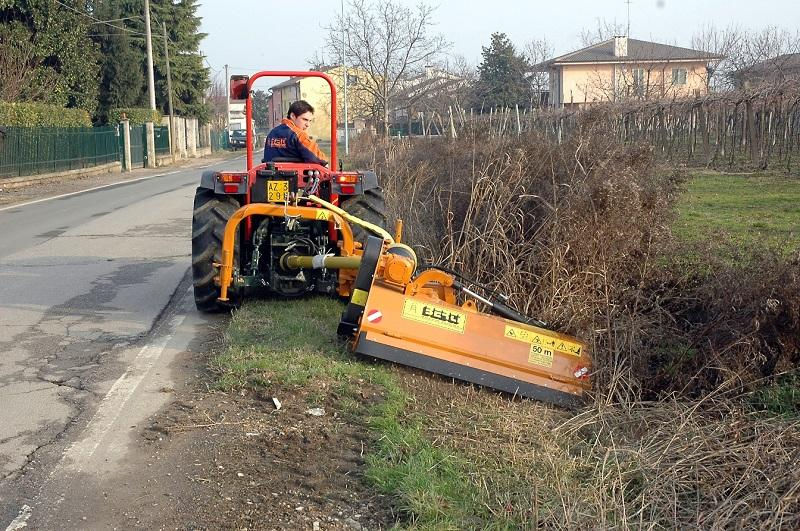
A verge mower is designed for roadside mowing, maintain field edges, ditches, embankments and hard‑to‑reach areas. Thanks to its lateral offset, it can work where a standard rear mower cannot. High‑quality models offer excellent stability and a clean cut even on uneven terrain.
A multifunction flail mower is versatile: it can handle grass, crop residues, light brush and branches.
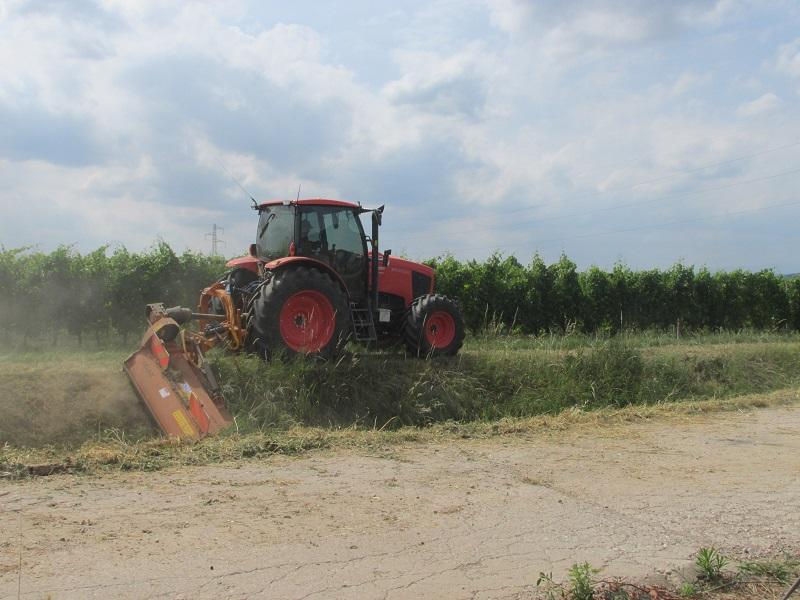
An offset mower is optimized to work to the side of the tractor, especially in ditches and on slopes.
Well‑engineered machines often combine robustness, flexibility and smooth kinematics to cover multiple applications.
-
Y‑blades (Mower finish) are ideal for grass, cover crops and light residues.
-
Hammer (Multipurpose cut) flails are better for brush, brambles and small woody material.
High‑quality mowers allow easy blade changes and feature a dynamically balanced rotor to reduce vibration and improve cut quality.
-
Required power depends on the working width and vegetation type. Generally:
-
25-40 HP for small models,
-
40–60 HP for mid‑range models,
-
60–90 HP for large models,
-
90+ HP for intensive work.
Well‑designed mowers deliver strong performance even with moderate tractor horsepower.
-
It depends on the area to maintain and the precision required:
-
1.2 to 1.6 m: small farms, orchards, vineyards.
-
1.8 to 2.2 m: general agricultural use.
-
2.2 m and above: large surfaces.
High‑end mowers maintain a uniform cut even at larger widths.
-
Yes — that is its primary purpose.
The best models offer:-
a wide working angle (positive 90 degrees and negative 65 degrees),
-
smooth hydraulic offset,
-
a reinforced frame to withstand impacts,
-
a floating system.
This ensures clean, safe work in challenging areas.
-
Depending on the model:
-
2–3 cm for grass and light residues,
-
4–5 cm for brush,
-
6–7 cm for heavy‑duty mowers,
-
up to 10 cm for professional models.
Quality machines use balanced rotors and forged hammers for a clean, durable cut.
-
Key maintenance points include:
-
regular greasing,
-
proper belt tension,
-
rotor inspection,
-
replacing worn flails,
-
checking the rear roller.
Well‑designed mowers provide easy access to maintenance points and reduce downtime.
-
A rear flail mower works directly behind the tractor.
An offset mower can shift laterally and tilt, making it essential for ditches, roadsides, slopes and narrow areas.
High‑quality models combine strength, precision and safety in these demanding environments.The most important criteria are:
-
reinforced frame,
-
dynamically balanced rotor,
-
forged flails or hammers,
-
robust transmission,
-
anti‑projection safety guards,
-
easy access to spare parts,
-
Well-know Brand Components.
Globally recognized manufacturers stand out through consistent quality, long service life and designs built for professional use.
-
The Voice of the Pros
City, Bathurst, Nouveau-Brunswick
City of Bathurst
“They invested in a Berti TA/MF multifunction mower, demonstrating their confidence in the quality of Berti equipment for their municipal work.”

Sod Farm, Saint‑Liguori, Québec
Signé Beauséjour
“They trusted the Berti TA/PS and the Tajfun RCA 500 Pro to improve the efficiency of their cutting and collection operations.”

Farm, Saint-Jean-de-Matha, Québec
JM Desroches & Fils Inc. Farm
“They chose the Berti TA/PS, highlighting their confidence in the robustness of Berti’s solutions.”

Louiseville, Québec
Services Plus GM
“They chose the Berti TA/PS for brush clearing along highways.”
.jpg)
.jpeg)
_edited.jpg)